Better than Italy? The Mari Peče Morocco Retreat nourishes with artisanal baking
Feb 13, 2026
PRAGUE, February 13, 2026
While Italy remains a gastronomic heaven for many, rising overtourism and fatigue from the "tourist conveyor belt" are forcing discerning travelers to seek deeper experiences. In response, the brand Mari Peče, in collaboration with the boutique travel agency Aromi Travel, is launching a unique culinary retreat in Morocco. In the cradle of baking, where bread is not just a side dish but a sacred ritual, this retreat offers an answer to the hurried digital age through the therapeutic power of working with one's hands.
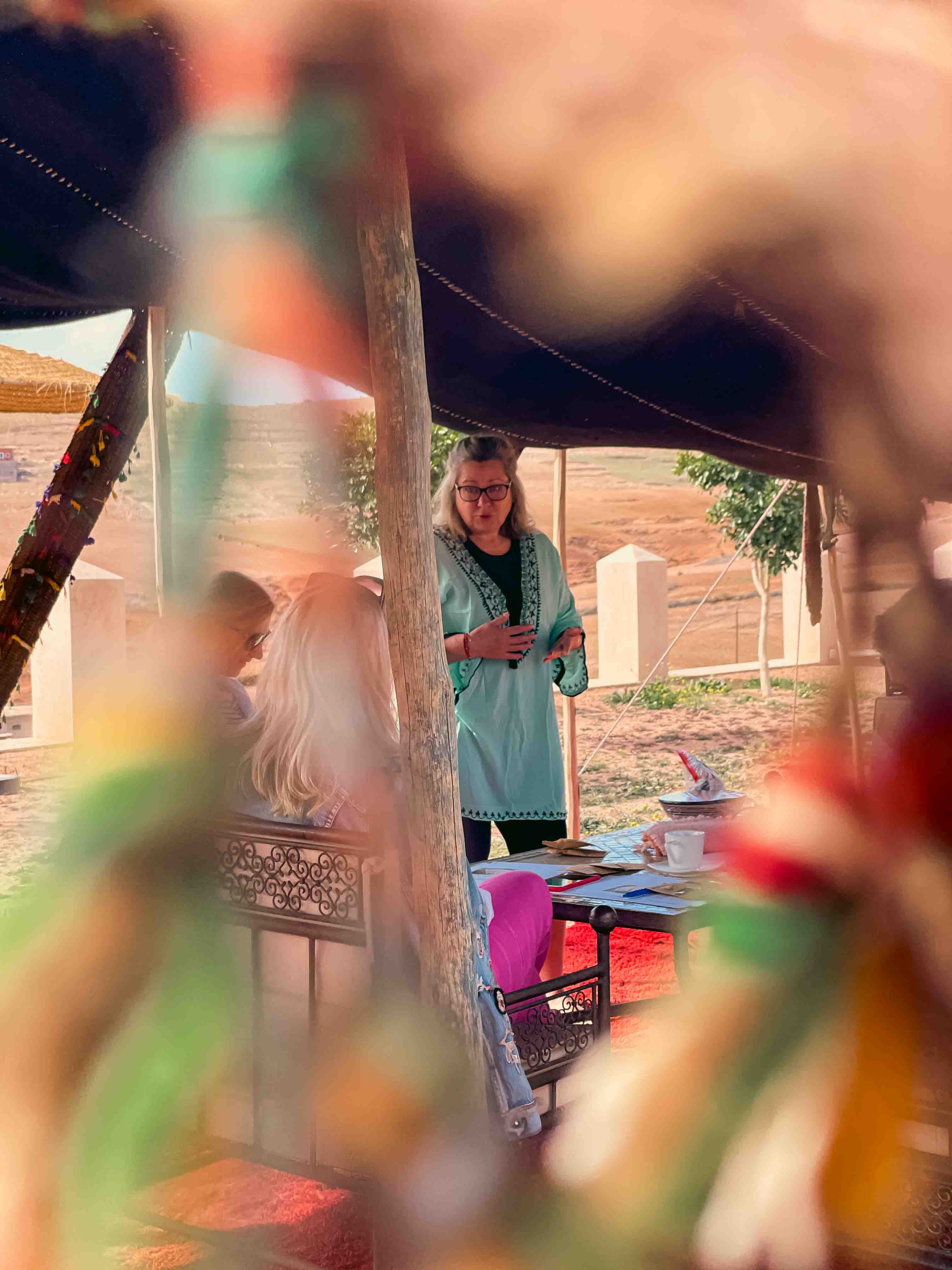


The End of Digital Consumption, the Beginning of Experience
According to the Wellness Tourism Market Report, the global wellness tourism market will exceed $1.06 trillion in 2026.(1) This development confirms a long-term shift towards transformative travel. Statistics show that people now spend an average of 6 hours and 38 minutes a day in front of screens (2), leading to feelings of alienation from physical reality.
“People are tired of travel becoming a sport that looks like jumping between Instagrammed landmarks. They want to feel the authenticity of a place,” explains Alena Srostlíková, co-founder of the Mari Peče brand.
The Mechanism of Sensory Restitution: Why Baking Heals the Brain
Working with dough in a Moroccan riad is not just a culinary course; it is a form of “energy exchange.” This mechanism, defined by Adina Flimel of Aromi Travel as “connecting with landscape and tradition,” is a direct response to digital fatigue. According to neuroscientific studies, repetitive and rhythmic movements, such as kneading dough, help regulate the nervous system and reduce stress.(3)
While digital screens fail to activate the haptic sense, leaving it dormant (4), the multisensory integration involved in baking engages tactile and proprioceptive receptors. This increases activity in the insula—the region of the brain responsible for awareness of one’s own body and internal states (5). This process switches the brain into a regulated, presence-oriented state.
Morocco: The Breadbasket of Civilization in Numbers
Although Czechs traditionally favor Italian cuisine, Morocco offers facts that establish it as a historical center of grain culture:
-
Historical Footprint: As early as the 1st century AD, North Africa supplied the Roman Empire with grain; it is estimated that up to 66% of Rome's total consumption originated from this region. (6)
-
Bread Culture: In Morocco, wheat product consumption reaches extreme levels of around 247 kg per person annually. (7) For comparison: in the Czech Republic, total consumption (bread and wheat products) is around 92.5 kg (8), and in France, around 50–55 kg. (9)
-
Living Craft: More than 50% of Moroccan households still use community ovens (ferranes), where recipes are passed down orally. (10)
Baking as a Generational Bridge in the Heart of the Atlas
The retreat program takes place in the Berber region of Tahannaout at the foot of the Atlas Mountains. (11) This location was chosen for its ability to preserve “living craft” in its most primal form. Participants will stay in a premium eco-riad, situated just 35 minutes from Marrakech. Clients can experience the contrast between the magical, spice-scented bustle of Marrakech bazaars (12) and the absolute tranquility of a mountain sanctuary within a single day.
“Our goal is for clients to take home an experience and a sense of peace that no vacation photo can replace,” concludes Adina Flimel, founder of Aromi Travel.
EDITORIAL VERIFICATION SOURCES
- 1 Wellness Tourism Market Report 2026 – Research and Markets. $1.06 trillion forecast.
- 2 Global Screen Time Statistics – Backlinko (DataReportal aggregation). Average 6h 38m daily.
- 3 van der Kolk, B. (2014) / Psychology Today – The Body Keeps the Score. Impact of rhythmic kneading on nervous system regulation.
- 4 Ozdamar, E.G. et al. (2021) – Hapticity in Digital Education Atmosphere.
- 5 Helena Olraun (2025) / Donders Institute – Kneading your stress away. Neuroscientific analysis of the insula.
- 6 Rickman, G. (1980) – The Corn Supply of Ancient Rome. Oxford University Press.
- 7 FAOSTAT / ResearchGate – The Moroccan wheat sector (247 kg/person).
- 8 CZSO (2024) – Food consumption in the Czech Republic (Bread 39.5 kg + Wheat rolls 53.0 kg).
- 9 Frozen Food Europe / World Bakers – European Bread Consumption (France 50 kg).
- 10 CIHEAM / World Bank – Traditional food systems in North Africa. Role of community ferranes.