

Carnival without fried pastries would be just another ordinary week in February. But if you don't have time for classic yeast dough, we have a lifesaver for you. These Carnival curd cheese doughnuts were born from three practical needs: to prepare doughnuts quickly and easily, using accessible ingredients, and boosting them with protein.
Carnival curd cheese doughnuts – and why are ours different?
They are exactly what you expect from homemade curd cheese doughnuts: delicate, moist, and honest. Thanks to the curd cheese and baking soda, there's no long wait for proofing. They are ready in a flash, yet they have the structure that belongs to this holiday. If you're looking for a doughnut recipe you can handle at the last minute without major preparations, you're in the right place.
You might be wondering what the catch is. While common semi-coarse flour ensures structure, it often acts like a sponge during frying. However, at "Mari Peče," we discovered an "Italian trick" that takes these Carnival doughnuts to the next level:
- The Golden Shield Effect (Semola Rimacinata): By using this durum wheat semolina – Semola Rimacinata, a micro-crunchy layer forms instantly on the surface during frying. This imaginary "shield" acts as armor, keeping the oil from getting inside. The doughnut remains moist inside but isn't greasy.
- Delicacy without Rubberiness (Farina per Dolci): The other half of the flour mix, a special finely milled flour for sweet baking – Farina per Dolci, is milled specifically for confectionery. While doughnuts made from regular all-purpose flour tend to get rubbery the next day, this flour keeps them tender for longer. Tested, compared, and proven multiple times.

Recipe for the best Carnival doughnuts
Ingredients
Dry ingredients:
- 125 g Semola Rimacinata – creates a crispy shield (in a pinch, replace with semi-coarse flour)
- 125 g Farina per Dolci – ensures a delicate interior (in a pinch, replace with semi-coarse flour)
- 80 g granulated sugar
- 10 g vanilla sugar
- 5 g baking soda
- 1 g salt
- Zest from 1 organic lemon (finely grated)
Wet ingredients:
- 250 g soft curd cheese/Quark in a block (not tub-style, as it's too runny)
- 2 eggs, size M
- 30 ml whole milk
- 1 tbsp rum – helps prevent oil absorption
- Optional: 50 g discarded sourdough starter (max. 1–2 days old) for deeper flavor
For frying and finishing:
- Oil for frying (rapeseed or sunflower)
- Icing sugar for dusting
Preparation
- Ingredient prep (Critical step) Take the curd cheese and eggs out of the fridge at least an hour in advance. If the ingredients are cold, they will cool the oil too much when dropped in. Low oil temperature = Carnival doughnuts soaked in fat. And we don't want that.
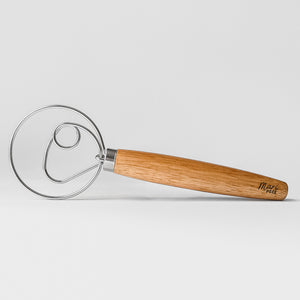
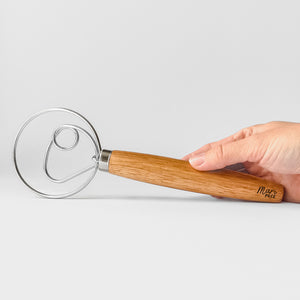
- Mixing the base In a bowl, combine the curd cheese, eggs, granulated sugar, vanilla sugar, lemon zest, salt, and tablespoon of rum. Mix (ideally with a Danish whisk) into a smooth mass without lumps. Then pour in the milk (and sourdough starter if using) and combine briefly again.
- Incorporating the flour In another bowl, mix both flours (Semolina and Farina per Dolci – or semi-coarse if substituting) with the baking soda. Gradually incorporate this dry mixture into the curd base.
- Dough rest (Know-how for Semolina) Work it into a soft, slightly sticky dough. Let it rest on the counter for 10–15 minutes.

This step is crucial for Semolina. The grains need time to absorb moisture from the other ingredients. The dough will then roll out better and won't tear as easily.
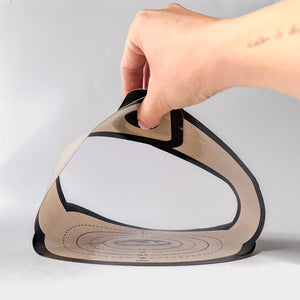
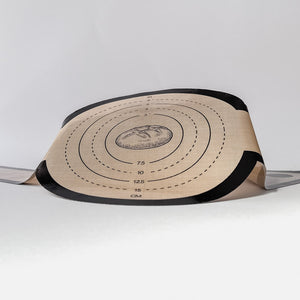
- Shaping On a work surface lightly floured with Semolina, roll the dough to a thickness of approximately 12–15 mm. Cut out circles and set them aside.
- Frying Heat oil in a smaller pot to approximately 170 °C. Fry the doughnuts in small batches so they have room to float. Fry each side for about 2–3 minutes until golden brown. We recommend monitoring the temperature with a kitchen thermometer to ensure doughnuts don't soak up oil (if too cold) or remain raw inside while darkening on the surface (if too hot).
If you really want a treat and even more protein, prepare our curd cheese filling that doesn't run. Then just slice and spread. They become truly luxurious.
Three secrets of success (that you won't find in other recipes)
To make this doughnut recipe a total success, stick to these three principles:
- Room temperature: Never put cold dough into hot oil. The temperature shock causes the "pores" in the dough to open and soak up fat. Therefore, prepare all ingredients on the counter at least an hour in advance.
- Alcohol as insurance: The tablespoon of rum in the recipe isn't primarily for flavor, but for physics. Alcohol evaporates faster than water during frying, and the escaping vapors push the oil outward.
- Rest for Semolina: Dough with Semolina needs those mentioned 10 minutes of rest before rolling. The semolina softens, and you get perfectly smooth doughnuts without cracks.

Check out that beautiful structure. We hope our Carnival curd cheese doughnuts make your holidays even better this year.
Bon appétit!
Mari
Postup
Jak na to krok za krokem
Tipy od Mari
Krásné pečení a ať se po výsledku zapráší.
Mari









Diskuze a hodnocení