

Mazanec belongs to Easter just as much as the Easter lamb or the willow whip. But let's be honest. How many of you have already pulled a cracked loaf out of the oven that crumbled under the knife the next day? Yet, the right fluffy buttery Mazanec should be silky after slicing, smelling of butter, and above all, moist even the following day. When you bite into it, the crumb should gently spring back. No crumbling, no dryness.
The problem usually isn't in the process. It's in the flour. Ordinary all-purpose flour from the supermarket doesn't have enough high-quality gluten to carry the load of butter and yolks while remaining light. The result? The dough spreads into a pancake, cracks, or the crumb is as dense as a sponge cake. And you wonder what you're doing wrong. Nothing at all. You just baked with the wrong flour. If you're just starting with baking and want to understand the basics of working with dough, download our free levain e-book. Even though it's about sourdough, the principles of working with flour and proofing apply universally.
In this homemade Mazanec recipe, I'll show you a combination of two Italian flours that will solve all of this. The strong Il Pane gives the dough its spine, while the delicate Farina per Dolci takes care of the silky crumb. And because I know you value the "why" behind recipes, I'm adding a technical explanation of why this duo works better than anything from the store.
Why Flour Matters: The Secret of Fluffy Mazanec
With Mazanec, one thing is decisive: the balance between the strength and the delicacy of the dough. And ordinary supermarket flour simply won't give you that.
Strong flour (like our Il Pane) contains a higher proportion of proteins. These, in contact with water, form the gluten network. Gluten acts as the invisible skeleton of the dough. It holds air bubbles inside and prevents them from escaping. The stronger the network, the better the Mazanec rises and holds its shape. Without high-quality gluten, the dough simply spreads sideways under the weight of the butter.
However, too strong a flour on its own results in a tough crumb. That's why we add Farina per Dolci. It has a low protein content, which softens the gluten network. The result? The crumb is airy, velvety, and yet the Mazanec stands firm. If you're interested in how individual Italian flours differ and what they are suitable for, take a look at our collection.
Butter in the dough plays a dual role. It adds flavor but also coats the gluten fibers and prevents them from creating a too-rigid structure. That's why we add it only after the dough has come together. If we mixed the butter in at the beginning, the gluten wouldn't develop properly and the Mazanec wouldn't have the strength to rise. The same applies to egg yolks. The fats in the yolk soften the dough, the lecithin acts as a natural emulsifier and helps combine water with fat. And besides? Yolks give the crumb that beautiful golden color that no dye can replace.
Double proofing (in the bowl and then on the sheet) is not a waste of time. The yeast produces carbon dioxide during fermentation, which inflates the bubbles in the gluten network. The more time you give them, the more bubbles are created and the lighter the crumb. Don't rush. The Mazanec must be like a pillow before you even put it in the oven.
You’ve already found out when Mazanec is baked in our article. You also learned how long to bake Mazanec. You already know why it cracks and how to avoid it, because I’ve made sure to gather all the information and my historical blunders in one place so you can just focus on baking. Perfectly.
But before the recipe itself, let me showcase my favorite combination of these two "ladies in white." They are invincible and emerge as winners from every baking battle. I hope you'll be as excited about our set as I am: Set for Fluffy Sweet Baking: Buns, cakes, and Mazanecs.
- Strong Italian Il Pane Flour: Gives the dough strength so the Mazanec holds its shape and won't crack in the oven.
- Extra-delicate Farina per Dolci: Ensures the crumb is soft and velvety.
So, let's jump straight into the recipe.
Fluffy Buttery Mazanec Recipe

Ingredients
Take the ingredients out of the fridge in advance so they reach room temperature. Only then will the dough rise properly.
- 250 ml lukewarm whole milk
- 30 g fresh yeast
- 1 tsp sugar and 1 tbsp Il Pane flour (for the starter)
- 300 g Il Pane flour (for stability and height)
- 200 g Farina per Dolci flour (for silky softness)
- 100 g granulated sugar + 1 packet vanilla sugar
- a pinch of salt and grated lemon zest
- 3 egg yolks (provide that beautiful yellow color)
- 120 g softened butter (truly soft, not melted!)
- a handful of raisins (pre-soaked in rum, optional)
- 1 egg yolk and 2 tbsp milk for brushing (whisk together)
- almond flakes for decoration (optional)

Our combination of Il Pane and Farina per Dolci flours can handle this load of butter and yolks without the Mazanec spreading. Don't rush the proofing. The Mazanec must be like a pillow before it goes into the oven. Bake until golden, but watch it. If the top starts browning too fast, cover it with foil. And remember: slice only after completely cooling, otherwise the crumb will get squashed.
Preparation: Step-by-Step
- Starter: Crumble the yeast into lukewarm milk, add a teaspoon of sugar and a tablespoon of Il Pane flour, and mix thoroughly with a whisk. Let it rise in a warm spot for 10–15 minutes until a thick foam forms.
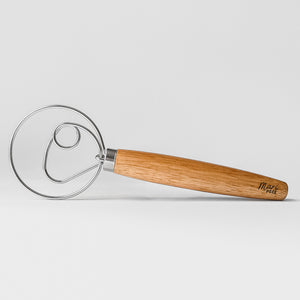
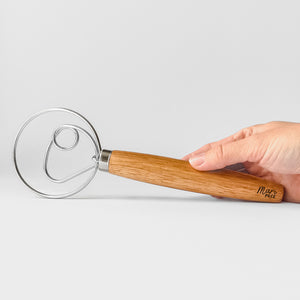
- Kneading (The key to success): In a bowl, mix both flours, sugar, salt, and lemon zest using a dough whisk. Add the yolks and the risen starter, and begin processing. Once the dough comes together, start adding the softened butter in pieces. Knead for a full 15–20 minutes until smooth and shiny. Finally, fold in the raisins.
If you want to be meticulous with kneading, try adding the butter in 30 g increments. Knead for 5 minutes after each addition and let the dough rest for 5 minutes. Repeat until all butter is incorporated and the dough is silky.
- First Proof: Place the dough in a bowl, cover, and let rise in a warm place for about 90 minutes until it doubles in size.
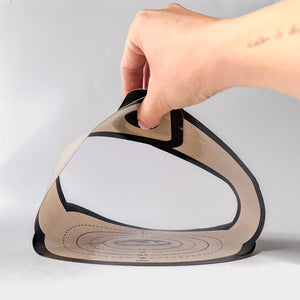
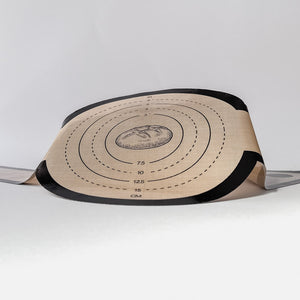
- Shaping and Second Proof: Divide the dough into 2 equal parts and shape into firm round loaves. Place on a baking sheet lined with teflon foil. Let rise for another 45–60 minutes. Pre-heat oven to 180 °C.
- Final Touch: Brush with egg wash and cut a small cross in the center using scissors or a sharp knife. This lets steam escape so the Mazanec won't crack. Sprinkle with almond flakes.
- Baking: Bake at 170 °C for 35–45 minutes. Cover with foil if the tops brown too quickly.
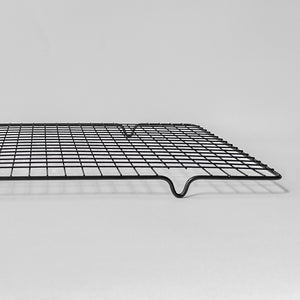
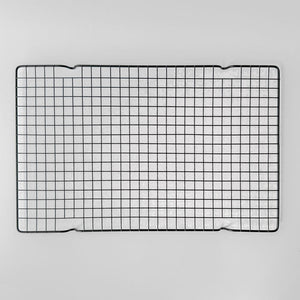
- Cooling: Move immediately to a cooling rack. It must breathe from the bottom too, otherwise it will get soggy.
Frequently Asked Questions about Homemade Mazanec
Why does my Mazanec crack?
The most common cause is weak flour. Other errors include high oven temp or under-proofing. Remember the cross cut to let steam out. Details in why Mazanec cracks and how to avoid it.
How long does Mazanec proof?
Count on about two hours total. 90 minutes in the bowl, 45–60 minutes on the sheet. Follow the dough, not the clock—it must double in volume.
Can I use regular store flour?
Technically yes, but results will be noticeably worse. Weak flour makes the dough spread. Our Italian flours provide consistent quality for professional results.
How to store Mazanec to keep it moist?
Wrap in a clean cotton tea towel or bread bag once cooled. Don't slice while warm or the crumb will squash. It stays moist for 2–3 days thanks to the high-quality flour and butter.
Now you can confidently start baking. For the best start, use our Set for Fluffy Sweet Baking. If you want to bake with me in person, check out our baking courses in Prague.
Happy baking!
warmly, Mari
Read more
Postup
Jak na to krok za krokem
Tipy od Mari
Krásné pečení a ať se po výsledku zapráší.
Mari







Diskuze a hodnocení (2)
Dobrý Johanko, ano i to lze přidat. Bude fungovat jako rozinky. Hezký den, Mari :-)
Dobrý den, děkuji za recept, už jsem cvičně připravila. Mohu do něj dát i kandované ovoce? Bude těsto stále tak nadýchané? Moc se povedl. Hezký den, Johanka