What kind of flour is used for crepes?
Jul 09, 2026

When someone asks what kind of flour is used for crepes, they usually expect one correct answer. However, with crepes, there isn't just one way. It depends on what kind of crepes you want. Delicate and thin, fluffier, fuller, heartier, or light and dairy-free. Flour is what determines the structure, the flavor, and how the batter behaves in the pan.
What kind of flour is used for crepes? We'll tell you right now

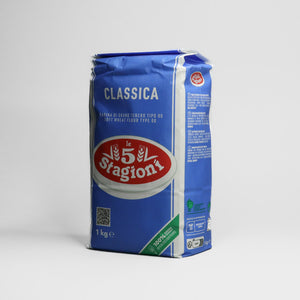
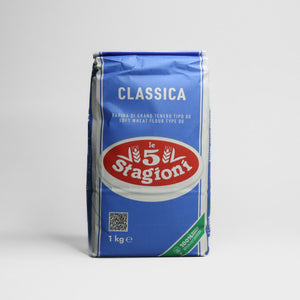
Most commonly, all-purpose wheat flour is used. It is fine, neutral, and binds liquid beautifully. The batter creates a smooth film that spreads evenly and easily across the pan. If you want a result that works every time and without much thought, all-purpose flour is the simplest choice.
If you only have semi-coarse flour, you don't need to change anything. The crepes will just be slightly denser and will spread a tiny bit slower in the pan. The flavor remains pleasant; the structure will just be slightly coarser.
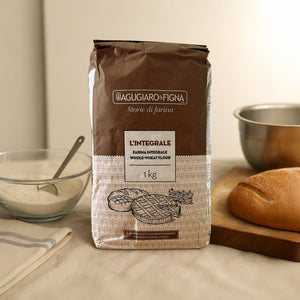
Whole wheat flour brings a more pronounced flavor and a more nutritious character. It absorbs more liquid, so you'll need to add a bit more milk to ensure the batter spreads well. The crepes will then feel fuller and will have a subtle nutty tone.
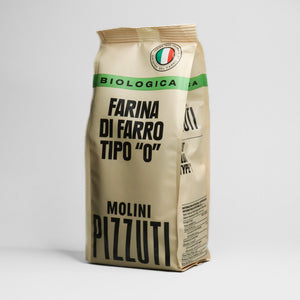
Spelt all-purpose flour works similarly to wheat, just with a slight caramel undertone. It is suitable when you want a minor change but still want a delicate and elastic structure.
Rice flour and gluten-free mixes have their own specifics. They can create light and soft crepes, but they usually require eggs or a bit of extra starch for the batter to hold together. Their consistency is adjusted more by eye, as every gluten-free flour binds liquid differently.

If you are just starting out with crepes, first prepare a perfectly ordinary batter using all-purpose flour. And bake it over and over again. It is on this type of batter that you will best learn to feel what the correct consistency should look like. Once you recognize it, you will be able to tune all other versions just by eye, and that is the biggest advantage with crepes.
When you want to make crepes more interesting, you can mix something extra into the batter. Blended spinach adds green color and moisture. For savory crepes, a tablespoon of pumpkin puree or beetroot works well. And if you want to go even further, crepes can be prepared from blended cooked lentils or legume flours. The result is heartier, holds its shape well, and is naturally gluten-free. You then simply adjust the thickness of the batter according to its flow.
If you want a lighter or more dietary version, you can replace part of the flour with whole wheat flour or use plant-based milk instead of classic milk. And when you want crepes completely without milk, plain water works surprisingly well – you’ll just need to fine-tune the batter's consistency.
In summary, the question of what kind of flour is used for crepes doesn't have just one solution. Flour in crepes isn't just a mandatory ingredient. It influences how the crepe will taste, how it will slice, and whether it feels light or hearty. The best flour is the one that corresponds to the kind of crepes you want right here and right now.
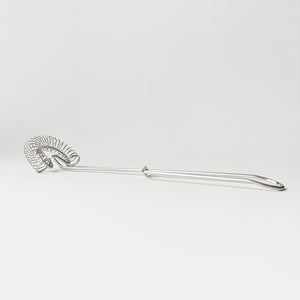
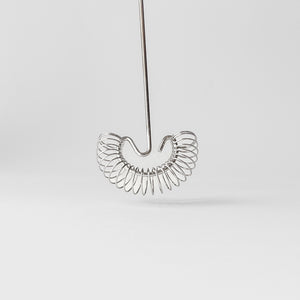
When you want crepes quickly and without much thought, stick to a simple rule: for every 100 g of flour, use 200 ml of liquid, a pinch of salt, and one egg. Mix the batter with a whisk until smooth, adjust the thickness so it flows steadily off a spoon, and let it rest for 10 to 15 minutes. The flour will absorb the liquid, the batter will combine, and the crepes will spread better in the pan. This ratio works with all-purpose, spelt, and whole wheat flour – for whole wheat, just add a bit more liquid.

A crepe will be as good as the batter you mix and the flour you use. Want it paper-thin? All-purpose flour is a safe bet. Want something heartier? Add some whole wheat and a bit more liquid. Want a change? Try spelt, plant-based milk, spinach, or even some blended lentils.
May your crepes turn out perfectly!
Bon appétit,
Mari