How to make doughnuts
Feb 06, 2026

Interested in learning how to make doughnuts that will impress all year round? Whether it's Carnival season or you're just a general doughnut enthusiast, in this article, I will outline that properly fried doughnuts are built on several simple physical principles that don't change regardless of whether you are working with yeast dough, curd cheese, or sourdough. Once you understand these principles, you'll never buy supermarket doughnuts again.
1. How doughnuts are made and why flour matters
The base of a doughnut is always a soft dough capable of inflating quickly during frying to create a delicate crumb.
-
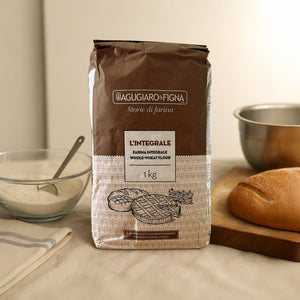
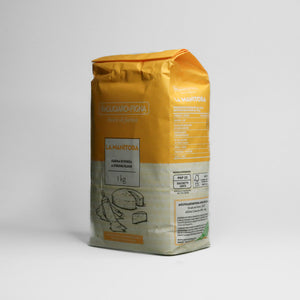
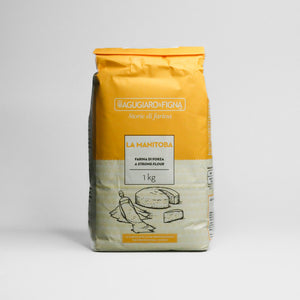
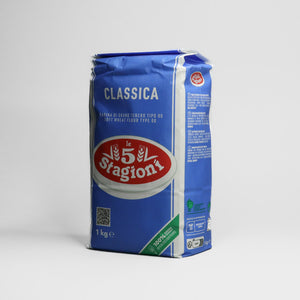
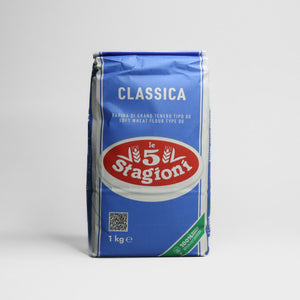
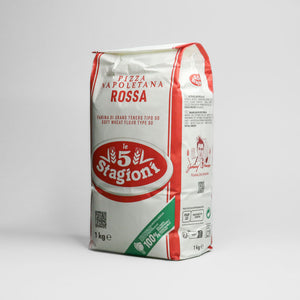
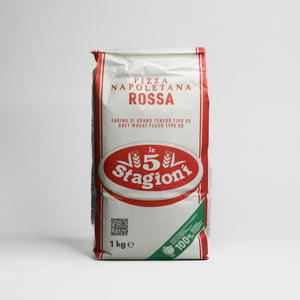
Yeast dough: The most common classic. It is elastic, supple, and creates a typical porous structure. To ensure the dough can handle the expansion during frying without tearing, it is ideal to use a strong flour with a higher gluten content. Here, I swear by La Manitoba, which ensures stability and fluffiness even during long proofing. With regular all-purpose flour, it’s just not the same.
-
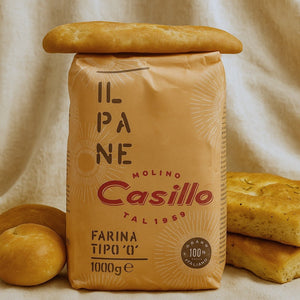
Curd dough: A quick version leavened with baking soda. Here, I don't need strong gluten for volume, but rather I want maximum delicacy. Therefore, instead of regular flour, I reach for a special confectionery flour, Farina per Dolci. This ensures the doughnut will be "like a cloud" inside and not rubbery. (My secret tip: Mix it half-and-half with Semolina to make the doughnuts extra crispy on the surface).
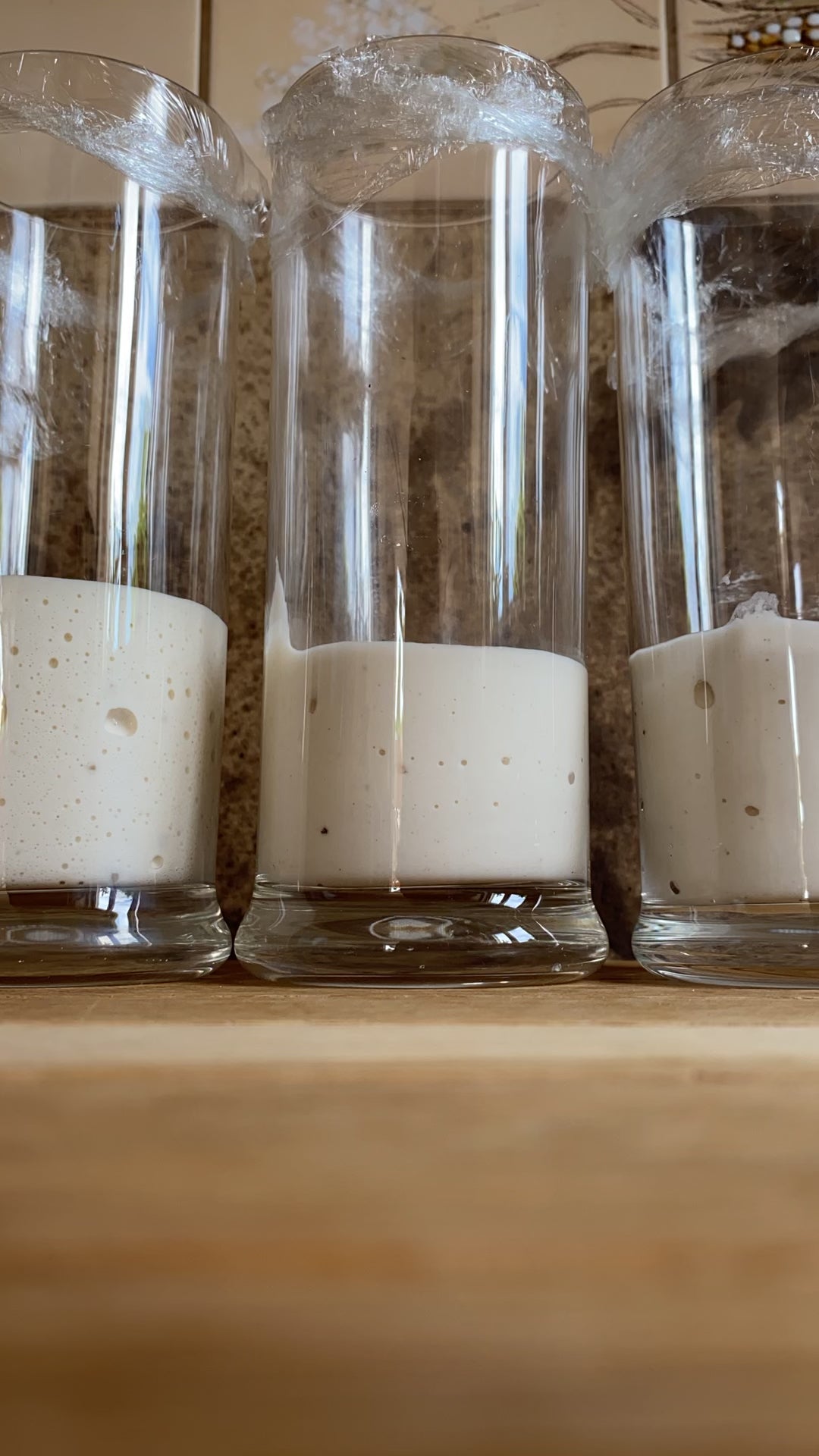
- Sourdough doughnuts: Combine slower proofing with a deeper flavor. Be careful here—sourdough requires time, and time weakens the dough. Therefore, high-quality high-gluten flour, again La Manitoba, is an absolute necessity so the doughnuts hold their shape and don't spread before they are submerged in oil.
Whichever dough you choose, it must always be soft, pliable, and well-hydrated. Tough dough = hard doughnuts. Hydrated (sticky) dough is harder to work with by hand, so in this phase, your best friend is a stiff baker's bench scraper, not adding more flour.
2. Why doughnuts are fried and not baked
Doughnuts are traditionally fried because hot fat reacts with the dough differently than hot air in an oven. During frying, the surface of the dough seals immediately, while steam builds up inside, lifting the doughnut and creating the typical fluffy structure.
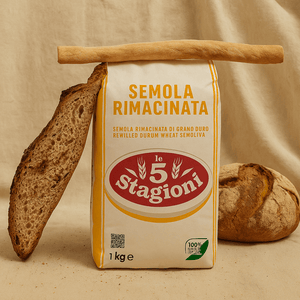
It is important to realize that a doughnut doesn't automatically soak up fat. If the oil is properly heated and the dough has the right composition (e.g., contains the addition of Semolina Rimacinata flour to create a crispy shield), the surface seals quickly and the interior remains light.

3. Oil temperature: The line between success and failure
Oil temperature is an absolutely critical factor for doughnuts.
-
Oil too cold: The dough doesn't seal and begins to soak up fat like a sponge. The result is heavy, greasy doughnuts.
-
Oil too hot: The doughnuts darken quickly (burn) but remain raw inside.
The ideal temperature is exactly around 170 °C. You can try a test with a piece of dough, but in my "Baking School," I recommend eliminating chance. Using a digital thermometer is the only way to be sure. Stable temperature is more important than the amount of oil, so always fry in smaller batches so the oil doesn't cool down abruptly.
4. Filling and finishing doughnuts
Doughnuts are traditionally filled only after frying. The reasons are several and simple: filled dough would rotate spontaneously during frying and wouldn't hold individual sides up or down (the center of gravity would change), and if the filling isn't sealed correctly, it would leak into the oil.
Filling is done once the doughnuts have cooled slightly. To ensure the filling is distributed evenly inside without tearing the doughnut, forget about a spoon or a syringe. You can only achieve a professional result with a sturdy pastry bag and a long filling tip.
5. Most common mistakes (Root cause analysis)
-
Hard doughnuts: A consequence of dough being too stiff or using unsuitable flour (with low water absorption).
-
Greasy doughnuts: Low oil temperature (missing thermometer) or the absence of a "protective shield" in the recipe (e.g., alcohol or semolina).
-
Bland taste: Underestimating the salt in the dough.
Most mistakes don't arise from clumsiness but from a lack of understanding of the principle. Once you know why a doughnut works the way it does and have the right tools at hand, you can easily eliminate errors.